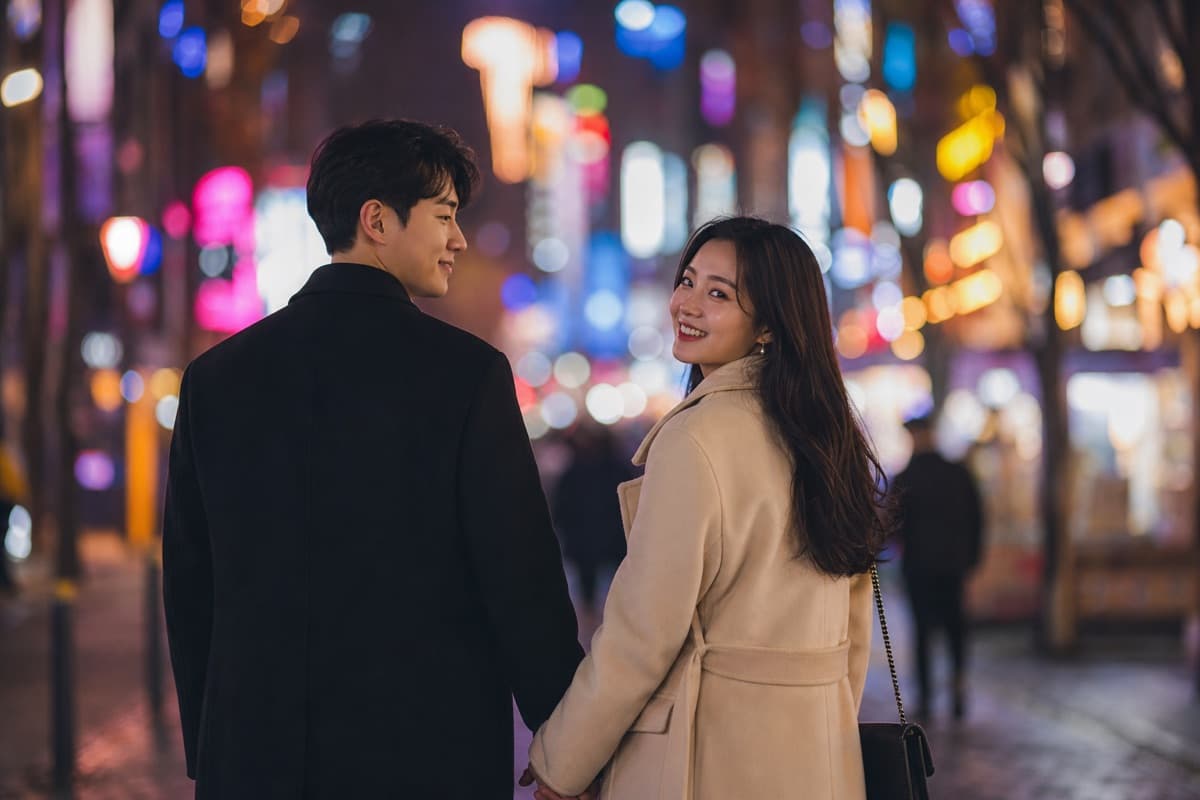
Dating in Korea: From Matching Apps to 100-Day Anniversaries
Dating in Korea is its own universe. If your understanding of Korean romance comes entirely from K-dramas, you'll find that real life shares some of the dramatic flair but operates by a completely different set of unwritten rules. From how couples meet to how they celebrate being together, Korean dating culture has traditions and expectations that can surprise even people who think they know Korea well. Whether you're dating a Korean partner, living in Korea, or just curious about how love works in a different culture, here's what you should know.
How Couples Meet
In many Western countries, meeting someone at a bar, through mutual friends, or on a dating app covers most of the bases. Korea has all of those options too, but the culture around them is different, and there are a few uniquely Korean methods that don't have direct Western equivalents.
Sogaeting (소개팅)
Sogaeting is essentially a blind date arranged by a mutual friend. It's one of the most traditional ways to meet a romantic partner in Korea and remains popular despite the rise of dating apps. The friend serves as a bridge, connecting two people they think might be compatible. It carries more social weight than a random app match because someone you trust is vouching for the other person.
The typical sogaeting follows a predictable format: meet at a cafe, have coffee, talk for an hour or two, and then decide if there's enough interest for a second meeting. There's an understood social contract here. Both people should be genuinely open to the possibility, and the mutual friend's reputation is somewhat on the line.
Meeting Apps and Online Dating
Dating apps are hugely popular in Korea, especially among people in their 20s and 30s. Apps like Tinder, Bumble, and Korean-made platforms like Amanda are all widely used. Some Korean apps are notably more selective, requiring profile photo approval by existing users before you can join. One cultural difference: many Koreans are more cautious about meeting strangers from the internet. Extended texting and phone conversations before a first date are common.
Group Meetings (미팅, Meeting)
A "meeting" in Korean dating culture refers to a group blind date, where a group of guys and a group of girls (usually 3-4 from each side) meet together. It's common among university students. The group setting reduces pressure, and if two people click, they'll exchange numbers and start seeing each other separately.
Through School or Work
Many Korean couples meet through university clubs (동아리, dongari) or workplace connections. Korea's long work and study hours mean people spend huge amounts of time with classmates and colleagues, naturally forming relationships within those environments.
The Confession: Making It Official
In Western dating, the transition from "seeing someone" to "being in a relationship" is often ambiguous. In Korea, it's a specific, identifiable moment called 고백 (gobaek), which literally means "confession."
Gobaek is the act of formally telling someone that you like them and asking them to date you. It's a direct, clear declaration. There's no "so what are we?" uncertainty. One person confesses, the other accepts or declines, and from that point forward, you're either officially a couple or you're not. Some confessions involve grand gestures, letters, or carefully planned moments. Others happen over a quiet cup of coffee. But the cultural expectation is clear: a relationship begins with a confession.
The phrase "우리 사귀자" (uri sagwija, "let's date") or "좋아해" (joahae, "I like you") marks the official start of many Korean relationships. It's a moment that both people remember.
Couple Culture: Celebrating Together
Once you're officially dating in Korea, couple culture kicks in, and it's a world of its own.
Matching Everything
Korean couples love to match. Matching outfits, matching phone cases, matching sneakers. This isn't considered cheesy. It's a visible expression of togetherness, and you'll see matching couples everywhere from Myeongdong to Jeju Island. The trend extends to couple rings, exchanged early in the relationship (not engagement rings, just rings that signify they're a couple). Wearing a ring on your ring finger in Korea often means "I'm taken" rather than "I'm engaged."
Anniversary Culture
Korean couples celebrate anniversaries with an intensity that can seem excessive to outsiders, but it's deeply embedded in dating culture.
- 100-Day Anniversary (백일, baegil): This is the big one. The 100-day mark is a major milestone in Korean relationships. Couples exchange gifts, go on special dates, and sometimes celebrate with couple photos. The significance has roots in Korean culture broadly, where 100 days marks important milestones (like a baby's 100th day of life).
- 200-Day and 300-Day Anniversaries: Yes, these are also celebrated. And every 100 days after that.
- Monthly Anniversaries: Many couples celebrate monthly anniversaries in the early stages. The 14th of every month has become associated with various themed "couple days."
- Annual Anniversary: Obviously celebrated, often with significant gifts and special plans.
Holiday Romance Calendar
Korea has a relationship-related holiday for nearly every month. It's a lot.
Valentine's Day (February 14): Unlike in many Western countries where either partner can give gifts, Korean Valentine's Day traditionally has women giving chocolate to men. This is a holdover from Japanese Valentine's Day customs that were adopted in Korea.
White Day (March 14): One month later, men reciprocate by giving candy, gifts, or accessories to women. The gifts on White Day are typically expected to be larger or more expensive than the Valentine's Day gifts.
Pepero Day (November 11): Named after Pepero, a popular Korean chocolate-covered stick snack (similar to Pocky). The date 11/11 looks like four Pepero sticks. Couples exchange boxes of Pepero and other snacks. It's lighter and more playful than Valentine's Day.
Christmas (December 25): In Korea, Christmas is primarily a couple's holiday, more like Valentine's Day than a family gathering. Couples plan romantic dates, exchange gifts, and book restaurants. Spending Christmas alone in Korea carries a social stigma that doesn't exist in most Western cultures where Christmas is a family event.
Black Day (April 14): This one is for single people. Those who didn't receive anything on Valentine's Day or White Day gather to eat jjajangmyeon (black bean noodles) together. It started as a tongue-in-cheek protest but has become a genuine cultural tradition.
Dating Etiquette
Who Pays?
Traditionally, men were expected to pay for everything, especially early on. This is shifting among younger generations, where splitting costs or taking turns is more common. A popular pattern is "번갈아 내기" (beongara naegi, taking turns): one person pays for dinner, the other covers coffee or dessert. This lets both contribute without the awkwardness of splitting every single bill.
Physical Affection and PDA
Korean attitudes toward public displays of affection (PDA) are more conservative than in many Western countries, though this is changing among younger people. Holding hands and linking arms are completely normal. Hugging in public is common among younger couples. Kissing in public, however, remains less common, and extended public kissing can still draw disapproving looks from older Koreans. Korean couples tend to be much more affectionate in private settings.
Age Dynamics
Age plays a significant role in Korean dating. Even a one-year age difference can change the dynamic of a relationship, with the older partner often expected to take on a slightly more responsible role. Korean couples often refer to each other using age-based terms of endearment: "오빠" (oppa, older brother/boyfriend, used by women) and "누나" (nuna, older sister/girlfriend, used by men). These terms carry warmth and intimacy beyond their literal meanings.
Military Service and Long-Distance
Almost all Korean men are required to complete approximately 18 months of mandatory military service, usually in their early twenties. This creates a unique challenge for couples. Soldiers have restricted phone access, and visits are infrequent. It's considered a significant test of a relationship, and many couples don't survive it. Those who do often come out with a strengthened bond built on patience and commitment.
Changing Attitudes Among Younger Generations
Korean dating culture is evolving rapidly. Younger Koreans, particularly those born after the mid-1990s, are reshaping many of the traditional norms:
- Later marriage or no marriage: Korea's marriage rate has dropped significantly. Many young Koreans are prioritizing career and personal freedom over traditional relationship timelines.
- More egalitarian dynamics: Gender roles in relationships are becoming more balanced, with more couples sharing expenses and decision-making equally.
- Greater acceptance of diverse relationships: While Korea remains socially conservative compared to many Western countries, attitudes toward LGBTQ+ relationships and non-traditional partnerships are gradually shifting, especially in major cities like Seoul.
- "비혼" (bihon, non-marriage) movement: A growing number of young Koreans, especially women, are choosing not to marry, citing economic pressure, gender inequality, and personal preference. This movement has generated significant social discussion.
What K-Dramas Get Right (and Wrong)
K-dramas capture the emotional intensity of Korean dating culture well. The confession scenes, the anniversary celebrations, and the weight of family approval are all real. However, the over-the-top dramatic conflicts and constant love triangles are obviously amplified for storytelling. What dramas get most right is the emotional investment that Korean couples put into their relationships. The attention to small gestures and the seriousness of commitment are genuine cultural values.
Test Your Knowledge
Korean dating culture is full of unique traditions that set it apart from dating anywhere else. If you've been learning about Korean culture through dramas, music, or articles like this one, try our quizzes at HOW KOREAN to see how much you've picked up. From couple holidays to confession culture, there's always more to discover.